

Selling Your Las Vegas Home While Buying Another: How to Coordinate Both Moves
Selling one home and buying the next means coordinating two decisions: what your current property can realistically contribute to the move, and what you need from the next home. Before choosing a listing date or making an offer, work out how the money, contracts and moving dates fit together.
Robert Gluskin of Gluskin Group at Real Broker LLC helps buyers and sellers in Las Vegas, Henderson and Southern Nevada. Start with your current property, preferred next area and move date. A coordinated plan should explain the steps, costs and fallback options before you commit to either transaction.
Planning both sides of a move? Call Robert at 702-335-4032 or contact Robert to discuss your selling and buying plans.
1. Compare three possible sequences
| Approach | What it helps resolve | What to plan for |
|---|---|---|
| Sell first, then purchase | Establish actual proceeds before committing to the next home | Temporary housing, storage, a second move and changing purchase options |
| Purchase first, then sell | Secure the next property before leaving the current one | Lender approval, available cash and carrying both homes if the sale takes longer |
| Make a purchase dependent on your sale | Connect the purchase to an agreed sale milestone if the other seller accepts | Negotiated deadlines, the strength of your existing sale and a fallback if either transaction changes |
No sequence is automatically best. Someone with cash available and flexible dates faces different choices from someone who needs sale proceeds for a down payment. Ask your lender what is possible before assuming you can own both homes at once. Have the lender compare qualifying before and after your current sale, whether sale proceeds must be documented before funding, and the carrying cost if the first home takes longer to close. Bridge financing or borrowing against existing equity may involve additional cost and eligibility requirements; discuss any such option with the lender before relying on it. Sale contingencies and occupancy arrangements need to be addressed in the actual agreements.
2. Estimate usable proceeds, not just a listing price
Your asking price is not your moving budget. Start with a property-specific selling range, then identify the deductions and cash needs that affect the next purchase.
Equity is the difference between an estimated property value and the debt secured against it. Usable cash after a sale also depends on payoff figures, negotiated transaction costs and adjustments. A valuation is a starting point, not a guaranteed deposit for the replacement home. Compare a conservative scenario with your target outcome before committing to purchase terms.
Create a working worksheet covering:
- A realistic sale-price range based on comparable homes and current competition.
- Mortgage and other payoff amounts, confirmed with the relevant providers.
- Negotiated transaction expenses and applicable association, escrow, title or other charges.
- Preparation costs and an allowance for possible concessions or repair negotiations.
- Moving, storage and temporary housing if needed.
- Cash reserved for the next purchase and expenses after moving.
Ask Robert about a valuation of your current home. Ask your lender separately about the next down payment, cash to close and monthly payment. Keep estimates labeled as estimates until actual terms and statements are available.
3. Prepare your current home before the next purchase becomes urgent
A preparation plan should match your property and timing. It might include decluttering, cleaning, minor repairs, exterior presentation and photography. It does not automatically mean a major renovation.
For a Las Vegas or Henderson property, include air-conditioning service history, any pool or spa maintenance records, and the condition of outdoor areas in the preparation discussion where relevant. Ask which items need professional evaluation before deciding what work to commission.
Before spending money, discuss which tasks help buyers understand the home, which address known issues, and which lack a clear reason. Set a realistic date for completing agreed work and arranging photography.
Robert's Las Vegas seller guide explains his approach to pricing, preparation, marketing and evaluating offers. Use it to prepare questions for a walkthrough rather than assuming every home needs the same work.
What the Lakes case illustrates
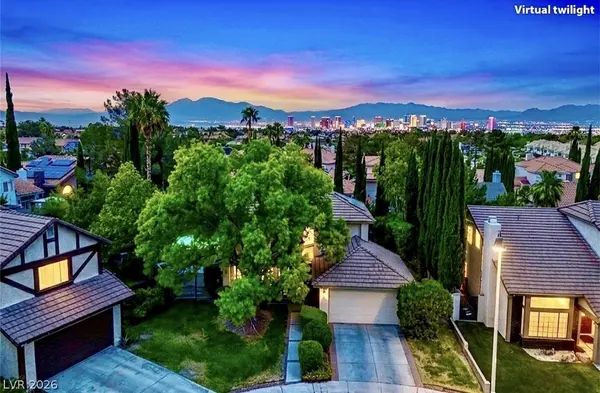
Robert's published 3104 Sea View Court case study describes professional photography and using the home's existing furnishings to present its character. It is an example of making presentation decisions around a particular property.
The site's detailed MLS-fed record reports a $550,000 sale on October 15, 2026, with Robert Gluskin of Real Broker LLC as listing agent. That is $112 above the $549,888 asking price. The published case describes an accepted offer in five days. That offer milestone is different from the later closing. This case does not document a coordinated replacement purchase and does not predict your result. Its useful lesson here is to make preparation decisions deliberately before your next purchase depends on them.
4. Plan disclosures alongside preparation
Preparing the property does not replace the seller's disclosure responsibilities. Discuss the applicable Nevada disclosure documents early, including known defects and any new or worsening issues discovered before conveyance. Keep repair records, invoices and relevant association information organized rather than waiting until your replacement purchase creates deadline pressure.
Nevada's residential disclosure statute addresses the seller's completion and delivery of the disclosure form, updates for newly discovered or worsening defects, and exceptions. The seller's agent does not complete that disclosure on the seller's behalf. Confirm the requirements and timing applicable to your transaction with your agent and, for legal questions, a Nevada real estate attorney. Read Nevada's residential disclosure provisions and use the Real Estate Division's current disclosure forms.
On your purchase, review the other seller's disclosures and obtain appropriate inspections. A disclosure is not a substitute for investigating a property's condition. If a property is in an association, coordinate the applicable resale documents and review periods with the transaction team rather than assuming they match your other property's requirements.
5. Define the replacement home before committing to a deadline
Separate essential needs from flexible preferences. Consider layout, accessibility needs, space, maintenance, parking and the routes you expect to use. Compare actual properties in Las Vegas and Henderson, rather than using a broad city average as your budget.
For a move between Las Vegas, Summerlin and Henderson, compare the actual door-to-door routes you will use, association dues and rules, maintenance needs and any property-specific assessments or district charges. Verify these against the listing documents and responsible providers; a neighborhood name alone does not establish the costs.
Review ongoing ownership costs and applicable association documents for each candidate. For new construction, ask about the completion schedule and what happens if it changes. An estimated builder completion date should not be your only basis for committing to move out.
The Las Vegas home-buying guide covers financing, inspections and steps between an accepted offer and closing.
6. Put both transactions on one calendar
Once agreements are in place, coordinate a calendar with your agent, lender and escrow/title contacts. Track the applicable inspection, appraisal, financing, document and closing deadlines in each contract.
Before signing, discuss what each contingency actually permits, when it expires and what notice is needed. A home-sale contingency is not automatic, and an accepted offer on your current home is not the same as completed financing or available sale proceeds. Ask how an offer can protect your essential timing requirements while remaining understandable to the other party. Do not remove a financing, inspection or sale condition simply to match a hoped-for moving date without understanding the consequences.
Distinguish signing, funding, recording, release of sale proceeds and possession. Ask the professionals handling your transactions when each step must occur and when money will actually be available for the next purchase. A planned closing date alone does not establish when you can use the proceeds or receive keys.
For most mortgage purchases, the lender provides a Closing Disclosure before closing so you can review final terms and costs. Build the lender's required review period into the calendar and compare the disclosure with your Loan Estimate. The CFPB explains the Closing Disclosure and review timing.
Do not rely on an informal understanding about staying in the old home or entering the new one early. Discuss proposed arrangements before agreeing, including written terms, insurance questions and responsibilities.
7. Choose a backup plan before you need it
What happens if financing is delayed, proceeds are lower than expected, an appraisal changes the decision, or the replacement home is not ready? Identify which deadlines can be negotiated and which choices you can afford.
A fallback could involve moving dates, storage, temporary housing or changing the purchase search. Discuss financing alternatives directly with your lender; availability, cost and qualification depend on your circumstances. Avoid solving a timing problem by accepting an obligation you have not fully reviewed.
Your sale-and-purchase planning worksheet
| Bring these answers to a consultation | Your notes |
|---|---|
| Where is the home you plan to sell? | |
| Which areas and property types are you considering next? | |
| What is your preferred move date, and how flexible is it? | |
| Do you need sale proceeds for the next purchase? | |
| Have you discussed temporarily owning both homes with your lender? | |
| What preparation is planned or underway? | |
| Would temporary housing or storage be workable? | |
| What would make this move successful? |
The first discussion can focus on your property, general financing status and timing. Do not send account numbers or sensitive financial documents through a public inquiry form; arrange an appropriate document channel later.
Common questions
Should I list before finding my next home?
Start with a realistic valuation, lender conversation and initial review of suitable homes. These help you decide whether to list first, purchase first or explore negotiated sale-dependent terms. Cash availability and flexibility matter as much as your preferred sequence.
Can I use my proceeds for the next down payment?
Discuss timing and documentation with your lender and escrow/title team. Both the amount and availability must fit the purchase requirements. Signing sale documents does not automatically make the money immediately available.
Can both homes close on the same day?
A coordinated date may be a goal, but financing, funding, recording and possession involve multiple parties and can change. Confirm requirements and establish a fallback rather than treating the date as guaranteed.
Does a fast accepted offer mean the move is finished?
No. Applicable contract, inspection, financing and closing requirements still need attention. Keep your moving plan connected to verified milestones.
Build a plan around your two homes
Robert can help you discuss preparation, pricing, potential homes and the questions to resolve with your lender and closing professionals.
Call Robert Gluskin at 702-335-4032 or contact Robert about selling and buying. Mention your current area, preferred next area and timeline. Review Robert's professional background.
Robert Gluskin · Gluskin Group at Real Broker LLC · Nevada license S.0175637.LLC
Categories
Recent Posts

Team Leader License ID: NV RE# s.0175637.LLC
+1(702) 335-4032 | robertgluskin@gmail.com